







Simple Ways to Reduce Noise at Home for a Quieter Living Space
Living in a noisy environment can be stressful and affect your comfort and well-being at home. Whether it’s traffic sounds, loud neighbors, or household noises, reducing noise can help create a more peaceful and relaxing living space. Fortunately, there are many simple and cost-effective ways to reduce noise at home without major renovations. In this post, we’ll explore practical tips and ideas you can implement to enjoy a quieter home.
Understanding Noise Sources
Before diving into solutions, it helps to identify where the noise is coming from. Common noise sources include:
– Traffic and street sounds
– Neighbors and shared walls or floors
– Household appliances and electronics
– HVAC systems and plumbing
– Outdoor activities and pets
Knowing the sources of noise will guide you in choosing the most effective methods.
Use Soft Furnishings to Absorb Sound
Hard surfaces reflect sound, making rooms louder. Soft materials absorb sound waves and reduce echoes. Consider adding:
– Rugs and carpets: Placing rugs on hardwood or tile floors can dampen footsteps and reduce noise transmission.
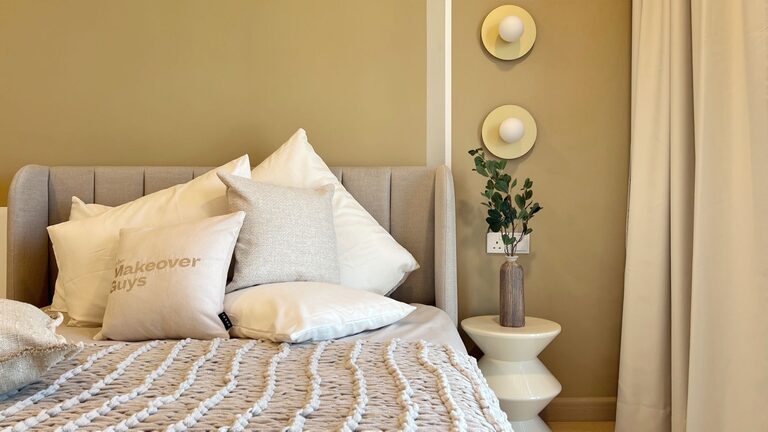
– Curtains and drapes: Thick, heavy curtains help block outside noise from windows.
– Upholstered furniture: Sofas, cushions, and fabric chairs absorb sound within a room.
– Wall hangings: Tapestries or fabric wall hangings add an extra layer to absorb sound.
These additions not only reduce noise but also make your home feel cozier.
Seal Gaps and Cracks
Noise can easily travel through small gaps in doors, windows, and walls. Sealing these openings can significantly lessen sound intrusion.
– Use weather stripping around doors and windows to close gaps.
– Apply acoustic caulk to seal cracks in walls or around window frames.
– Install door sweeps to block sound from entering under doors.
– Consider using draft stoppers on doors that face noisy areas.
These small fixes are affordable and can make a noticeable difference.
Improve Window and Door Soundproofing
Windows and doors are common weak spots where noise enters.
– Replace single-pane windows with double or triple-pane models if budget allows.
– Install window inserts, which are clear panels that add insulation without replacing existing windows.
– Use solid-core doors instead of hollow ones to reduce sound transfer.
– Add soundproofing door seals or heavy door curtains for extra noise blocking.
Better window and door soundproofing help keep outdoor noise out and indoor noise in.
Rearrange Furniture Strategically
How you arrange furniture can influence how sound travels.
– Position bookshelves or wardrobes against shared walls to add insulation.
– Place soft furniture like sofas and armchairs near noisy sources inside the home.
– Use furniture to create designated quiet zones by blocking open spaces where sound can bounce.
This tactic can be both decorative and functional for noise control.
Add Soundproofing Materials
If you want to invest a bit more, consider adding specialized soundproofing materials:
– Acoustic panels: These foam or fabric-covered panels absorb sound and are easy to install on walls or ceilings.
– Soundproof wallpaper: Some wallpapers come with soundproofing layers that help reduce noise.
– Mass loaded vinyl (MLV): A dense material that can be installed behind walls or under flooring to block sound.
– Underlayment: Adding soundproof underlayment beneath flooring reduces noise transmission between floors.
These options work well in rooms where noise is a constant problem.
Use White Noise or Sound Machines
Masking unwanted noise can be an effective alternative when you can’t eliminate the source.
– White noise machines create soothing background sounds that reduce the perception of disruptive noises.
– Fans or air purifiers also generate consistent sounds that help mask noise.
– Smartphone apps offer customizable white noise and nature sounds.
This approach is especially useful for improving sleep or concentration.
Manage Noise From Appliances and Electronics
Household devices can contribute significantly to noise levels.
– Choose quieter models when replacing appliances like vacuum cleaners, dishwashers, or air conditioners.
– Regularly maintain appliances to reduce rattling or loud operation.
– Use soft pads or mats under washing machines to minimize vibrations.
– Turn off unnecessary electronics when not in use to keep noise down.
Taking control of appliance noise improves overall home quietness.
Control Outdoor Noise
If outdoor noise is a challenge, there are ways to reduce its impact:
– Plant shrubs or trees near windows and fences to act as natural sound barriers.
– Use fences or walls to block direct noise paths.
– Select outdoor lighting and features that don’t add to noise pollution.
– Create quiet garden or patio areas with sound-absorbing materials.
These outdoor noise control methods help extend peacefulness beyond your walls.
Establish Quiet Hours and Communicate
Sometimes noise issues stem from neighbors or family members.
– Set agreed quiet hours to ensure everyone respects rest times.
– Use headphones when listening to music or watching TV late at night.
– Communicate politely with neighbors about noise concerns to find solutions.
Good communication can often solve noise problems that physical measures alone cannot.
Final Thoughts
Reducing noise at home improves comfort, concentration, and relaxation. Start with simple steps like adding rugs and sealing gaps, then explore more involved options like soundproofing panels or window upgrades as needed. Combining several strategies tailored to your specific noise sources will help you create a calmer, quieter home environment.
Remember, a peaceful home is within reach with thoughtful changes and a little effort!