







Tips for Choosing Comfortable Home Lighting That Enhances Your Space
Creating a comfortable and inviting atmosphere in your home begins with the right lighting. Whether you’re reading a book, cooking dinner, or relaxing with family, the lighting you choose significantly impacts both the look and feel of your space. However, with so many types of lighting options available, it can be overwhelming to find the right fit for your home. This guide offers helpful tips to choose comfortable home lighting that complements your space and lifestyle.
Understanding the Importance of Comfortable Lighting
Lighting is more than just illumination—it influences mood, productivity, and even health. Harsh lighting can cause eye strain and headaches, while too dim lighting might make tasks difficult and leave you feeling tired. Comfortable lighting balances brightness and warmth to suit different activities and times of day.
Types of Home Lighting to Consider
Before choosing fixtures, it’s helpful to understand the three main types of lighting used in homes:
1. Ambient Lighting
Ambient lighting is the primary source that provides overall illumination. It ensures your room is evenly lit and safe to move around in. Examples include ceiling-mounted fixtures, chandeliers, or recessed lights.
2. Task Lighting
This lighting is focused and helps you perform specific activities like reading, cooking, or working. Desk lamps, under-cabinet kitchen lights, and vanity lights are common examples.
3. Accent Lighting
Accent lighting highlights specific objects or architectural features, adding depth and interest to a room. It includes track lights, wall sconces, and picture lights.
Combining these types creates a layered lighting scheme, enhancing both comfort and aesthetics.
Tips for Choosing Comfortable Home Lighting
1. Consider Light Color Temperature
Measured in Kelvins (K), color temperature affects the ambiance of your room:
– Warm Light (2700K–3000K): Creates a cozy, relaxing environment suitable for living rooms and bedrooms.
– Neutral Light (3500K–4100K): Offers a balanced feel, ideal for kitchens and bathrooms.
– Cool Light (5000K–6500K): Mimics daylight, helpful for detailed tasks but may feel harsh in living areas.
For comfort, warm to neutral light temperatures are usually best in living spaces.
2. Choose the Right Brightness Level
Brightness is measured in lumens. Selecting the proper brightness depends on room size and activity:
– Living rooms and bedrooms: 1,500–3,000 lumens
– Kitchens and workspaces: 4,000–8,000 lumens
– Bathrooms: 4,000–4,500 lumens
Dimmable fixtures provide flexibility so you can adjust brightness according to your needs and time of day.
3. Use Multiple Light Sources
Avoid relying on a single overhead light. Layering ambient, task, and accent lights allows you to customize the atmosphere and reduce shadows, which enhances comfort.
4. Select Fixtures That Suit Your Space and Style
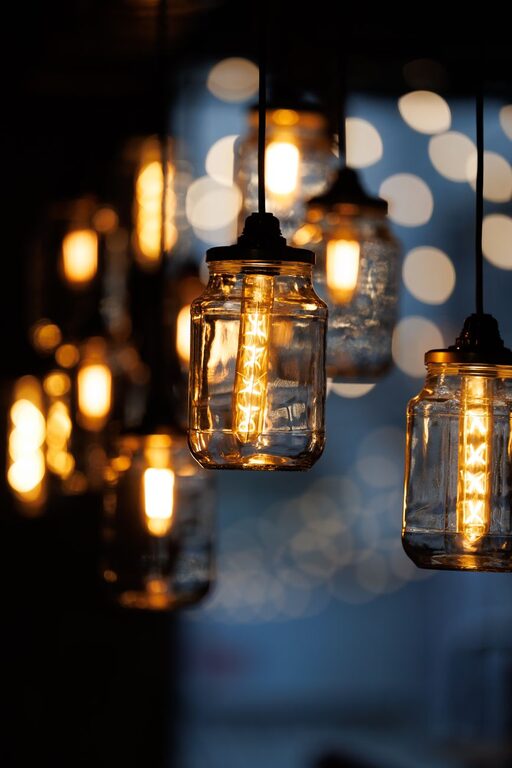
Lighting fixtures come in countless designs—from modern minimalistic to vintage and rustic. Choose fixtures that complement your home’s style but also fit the room’s size and purpose. Large chandeliers may overwhelm small rooms, while tiny fixtures might look out of place in spacious areas.
5. Opt for Energy-Efficient Bulbs
Comfortable lighting doesn’t have to be wasteful. LED bulbs use less energy, last longer, and are available in various color temperatures and brightness levels. Investing in energy-efficient bulbs benefits both your comfort and your wallet.
6. Position Lights Thoughtfully
Placement affects both function and comfort. For example:
– Task lights should be positioned to avoid glare and shadows.
– Ambient lights should be evenly spaced to distribute light well.
– Accent lights should focus on artwork or architectural elements without overpowering the space.
7. Avoid Harsh Glare and Flicker
Glare and flickering lights can cause discomfort and eye strain. Use diffusers, shades, or frosted bulbs to soften light. Quality fixtures and bulbs with electronic drivers typically reduce flicker.
8. Incorporate Smart Lighting Controls
Smart switches, dimmers, and programmable lighting systems give you control over brightness and color temperature, enabling you to create the perfect mood effortlessly. These systems can also help save energy.
Practical Examples for Different Rooms
Living Room
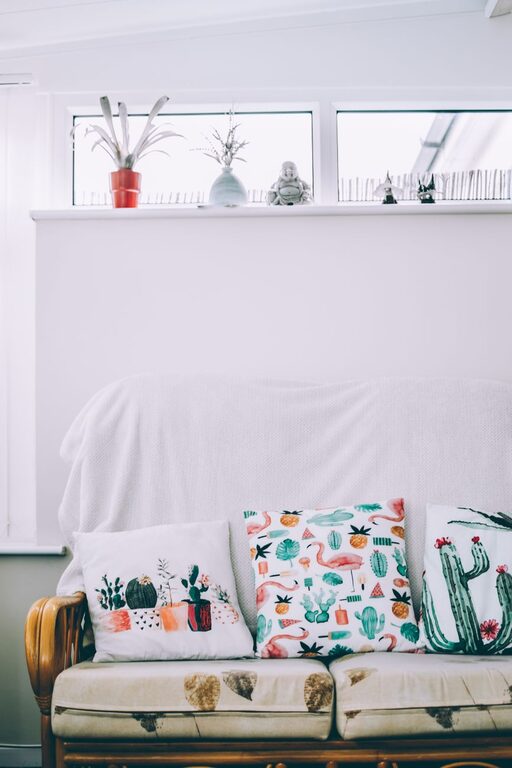
Use warm ambient lighting combined with task lamps next to seating areas for reading. Accent lights can highlight artwork or plants, creating a cozy atmosphere for relaxation and conversation.
Kitchen
Bright, neutral light is essential here. Combine overhead fixtures with under-cabinet task lights to ensure countertops are well-lit for cooking and food preparation.
Bedroom
Choose warm, dimmable lighting to create a restful environment. Bedside lamps with adjustable brightness work well for nighttime reading without disturbing sleep.
Bathroom
Neutral to cool light helps with grooming tasks. Position lights around mirrors to minimize shadows on your face, improving visibility.
Final Thoughts
Choosing comfortable home lighting involves understanding your needs, the room’s function, and the atmosphere you want to create. Invest time in layering different types of lighting, selecting appropriate brightness and color temperature, and placing fixtures thoughtfully. By doing so, your home will not only look inviting but also feel more comfortable and functional every day.
With these tips in mind, you can start transforming your home lighting to better suit your lifestyle and enhance your living space’s comfort and charm.